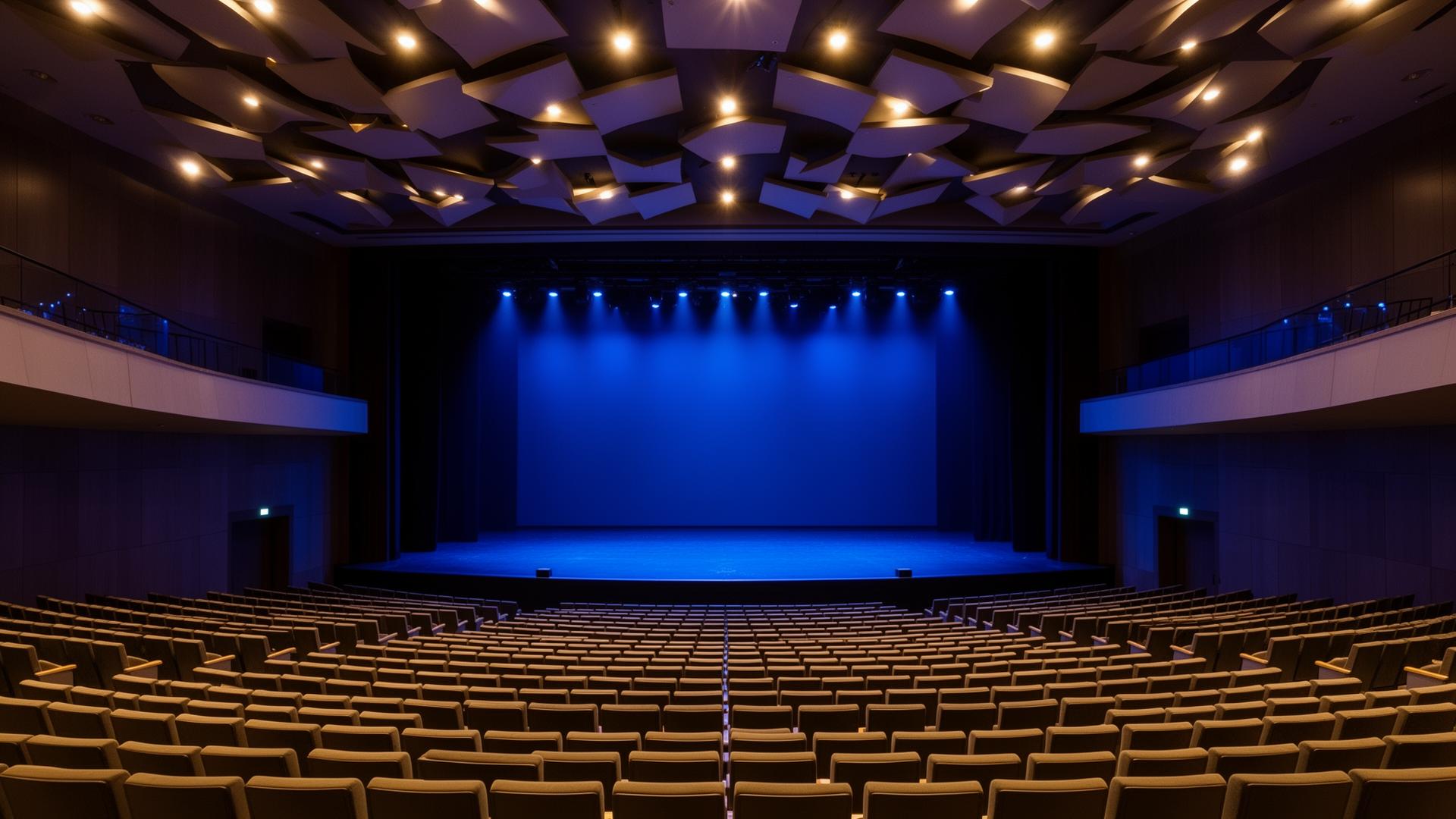
Auditorium AV for Institutional Stages
Acoustics, optics, lighting and control engineered for the way the venue is actually used.
Common Challenges
Speech intelligibility issues
Audiences strain to hear from row 12 onwards — the most common failure.
Poor sightlines from peripheral seats
Geometry ignored at design stage, impossible to fix afterwards.
Operator complexity
Five remotes for one event — guaranteed mistakes during live use.
Hybrid and broadcast missing
No way to extend the event to remote audiences cleanly.
Maintenance burden too high
Specialist intervention required for every minor change.
How Arif Khan Approaches It
Integrated acoustic, visual, lighting and control design — engineered for the venue's actual programming and operable by a small in-house team.
Understand Environment
Deep discovery: site, threat model, operational reality, owner intent.
Design Architecture
Vendor-neutral systems architecture aligned to outcomes — not catalogues.
Integrate Systems
Engineer the program as one fabric, not a stack of independent products.
Validate Performance
Measure, calibrate, prove. Nothing is signed off until it performs.
Optimize Experience
Refine the human and operator experience over the long lifecycle.
Technology Components
Acoustic Modelling
Predictive modelling tuned against the architectural geometry.
Display & Projection
Laser projection or LED, sized to seat count and ambient light.
Line-Array Audio + DSP
Even coverage to every seat with sub-1.0 second decay targets.
Lighting & Rigging
Theatrical lighting and rigging integrated with AV control.
Broadcast & Streaming
Multi-cam production, encoding and broadcast feeds.
Operator UX
Touch-driven UI an operator can run after one training session.
Where It Gets Applied
Common Mistakes
AV specified after the building is designed
Acoustics treated as an afterthought
No operator UX or training plan
Streaming and broadcast added too late
The terms you'll hear, explained
Specifications and proposals across security, automation and AV reuse the same vocabulary. Here are the ones that matter most — without the jargon.
A separate logical network on shared cabling — cameras, access control and BMS each get their own VLAN so traffic stays isolated and easier to secure.
Permissions are granted to roles (operator, supervisor, FM head) rather than individual users — clean, auditable, easier to revoke.
Automatic Number-Plate Recognition — reads vehicle plates at gates and barriers for whitelists, visitors and incident lookup.
An open standard that lets cameras and recorders from different brands talk to each other — protects you from single-vendor lock-in.
Open protocols used by BMS, HVAC and energy systems to exchange data — the building's nervous system.
One cable carries data and power to a camera, access reader or AP — simpler installation, fewer points of failure.
BMS runs HVAC and electrical. IBMS integrates BMS with security, fire, access, AV and energy under one operating model.
Public Address / Voice Alarm — code-compliant intelligible voice evacuation, required for crowded venues and large buildings.
Modern video compression — typically 40–60% less storage than H.264 at the same forensic quality.
Mean Time Between Failures — the right metric for picking industrial gates, barriers and infrastructure-grade equipment.
Storage redundancy — protects recordings against single-disk failure. Plan capacity after RAID overhead, not before.
Service Level Agreement — written response and resolution times that an AMC must meet. Vague SLAs aren't SLAs.
Frequently Asked Questions
What auditorium capacities do you design for?+
200 to 2000+ seats, including hybrid, broadcast-ready and convertible venues.
Do you handle streaming and broadcast?+
Yes — designed in from day one with IP video, multi-cam production, encoding and broadcast feeds.
Which audio brands are typically specified?+
L-Acoustics, d&b audiotechnik, Meyer Sound, Renkus-Heinz and Shure — selected against acoustic modelling and budget.
Are LED walls or projection preferred?+
Both — LED for sustained brightness and broadcast, projection where scale and finesse matter more.
Do you assist with civil and acoustic works?+
Yes — coordinated with the architect, acoustic consultant and civil contractor as one program.
Is the system maintainable by an in-house team?+
Yes — UX, documentation and a structured training plan are part of the deliverable.
What speech-intelligibility target do you design for?+
STI > 0.6 across every seat, validated by on-site measurement.
Do you do retrofit of existing auditoriums?+
Yes — many engagements upgrade legacy venues without major civil works.
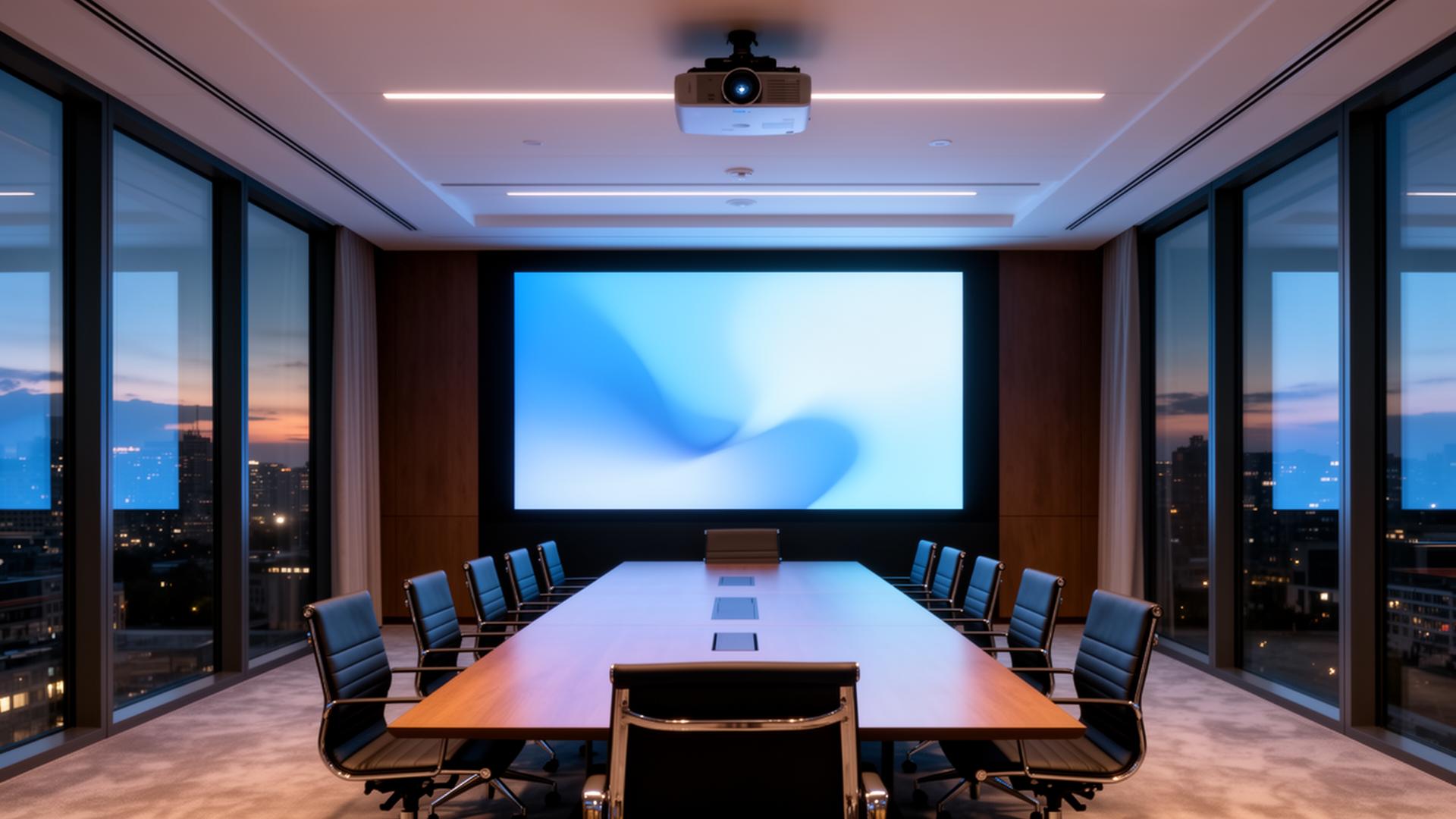
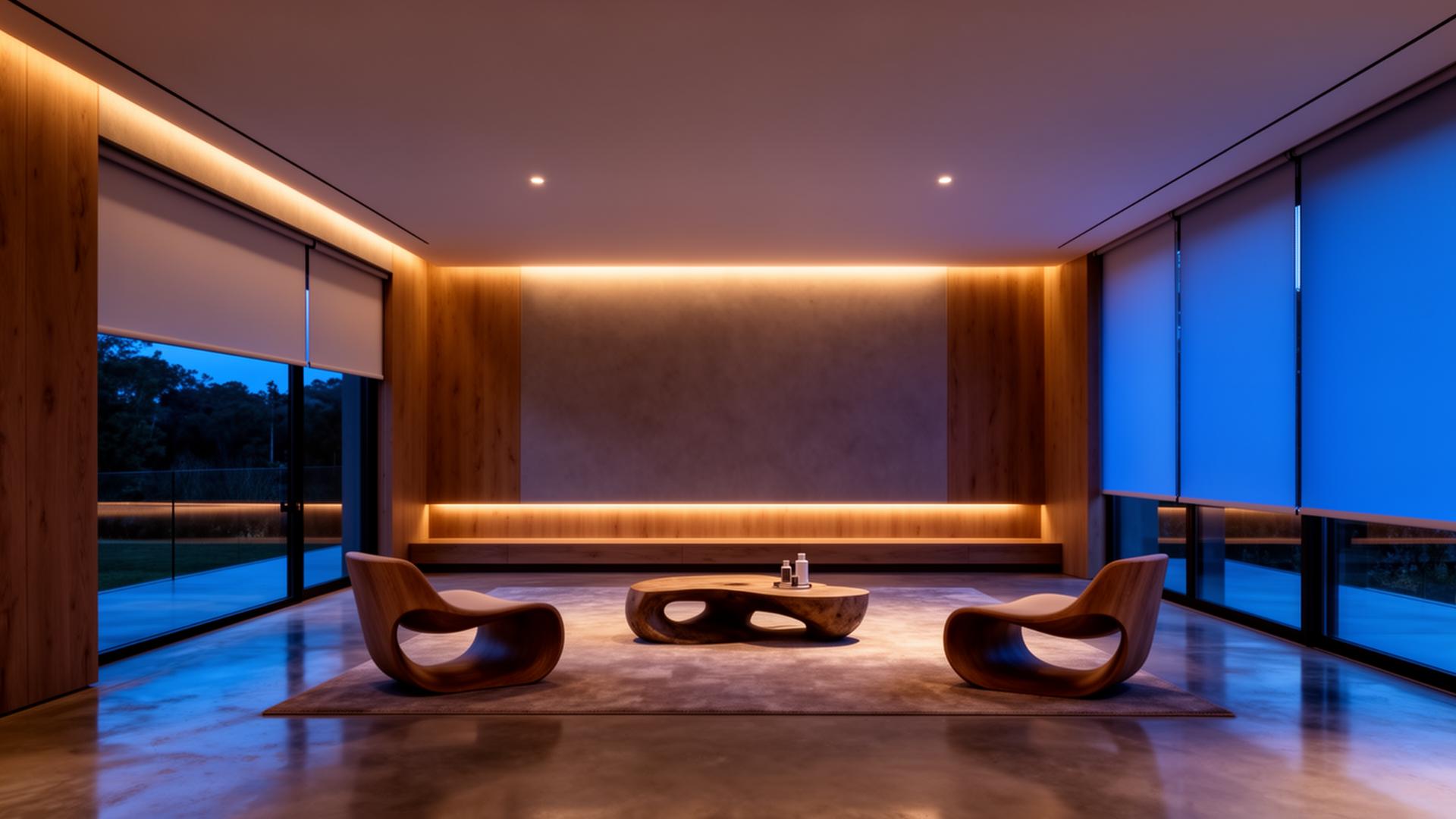
For project-level planning across India, see Arif Khan's related consulting expertise:
Let's Design Intelligent Environments
A private consultation to scope your environment, the threats it faces, and the architecture that will serve it for the next decade.
Arif Khan supports project planning and advisory requirements across Delhi NCR — including Delhi, New Delhi, Gurugram, Gurgaon, Faridabad, Ghaziabad and Meerut — along with selected projects in Mumbai, Lucknow, Bengaluru and North India.